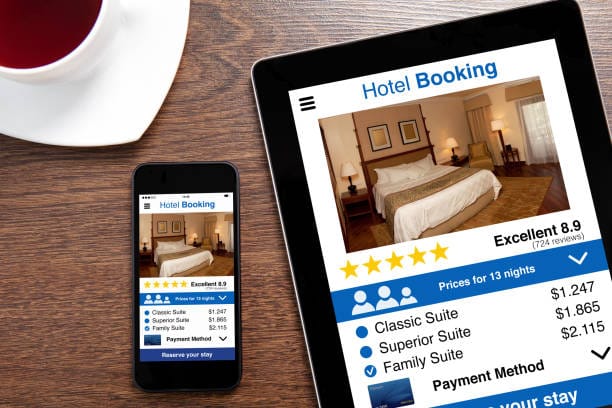
Navigating the Digital Frontier: Enhancing Visibility with Booking Master’s GMB Suite

In today’s fast-paced digital landscape, establishing a commanding online presence is indispensable for hotels and resorts striving to excel in the fiercely competitive hospitality sector. As potential guests increasingly rely on the internet for research and reservations, it’s imperative for establishments to assert their presence on platforms like Google My Business (GMB). This is precisely where Booking Master’s GMB Service steps in, offering a tailored solution designed specifically for hotels and resorts aiming to dominate the digital realm.

Booking Master’s GMB Service boasts a diverse array of features aimed at amplifying the visibility and allure of your hotel or resort on the digital stage. From strategic SEO tactics to proactive security measures, here’s an in-depth exploration of the services provided:

GMB Account Creation:

Initiating a GMB account marks the initial stride toward establishing a robust online presence. However, crafting an impactful account that authentically mirrors your hotel’s essence demands meticulous attention to detail. Booking Master ensures that your GMB account isn’t merely created but meticulously customized to align with your hotel’s distinct identity and objectives. This encompasses optimizing business details, selecting pertinent categories, and integrating captivating visuals to captivate potential guests.

Strategic SEO Keyword Placement:

In the expansive digital landscape, visibility serves as the linchpin for attracting guests to your hotel. Booking Master employs strategic keyword placement strategies to augment your hotel’s online visibility and bolster its search engine ranking. By pinpointing pertinent keywords relevant to your hotel and its offerings, Booking Master ensures that your GMB profile occupies a prominent position in search results, thereby heightening the likelihood of engaging potential guests.

Comprehensive Security Training:

Safeguarding the integrity of your GMB account stands paramount to thwart unauthorized access and potential misuse. Booking Master provides thorough security training to your hotel staff, equipping them with the requisite knowledge and expertise to fortify your GMB account effectively. This proactive approach serves to mitigate security threats, thereby safeguarding your hotel’s online presence and integrity.

Optimized Profile Management:

Efficiently managing a GMB profile necessitates continuous vigilance to ensure accuracy and relevance. Booking Master assumes the mantle of setting up and maintaining your GMB profile, ensuring precision and allure to entice potential guests. From updating business particulars to optimizing visuals and posts, Booking Master ensures that your GMB profile remains dynamic and captivating, thereby augmenting its efficacy in enticing and converting potential guests.

Location Rectification:

Inaccuracies pertaining to your hotel’s location on Google Maps can breed confusion and frustration among potential guests endeavoring to locate your establishment. Booking Master addresses this concern by rectifying any discrepancies in your hotel’s location on Google Maps, thereby facilitating seamless navigation for guests. This seemingly mundane yet pivotal measure serves to enhance the overall guest experience and bolster booking conversions.

Account Reinstatement:

In the regrettable event of an account suspension or disruption, prompt remedial action is imperative to restore functionality and curtail any adverse ramifications on your hotel’s online presence. Drawing upon ample experience, Booking Master adeptly navigates the account reinstatement process, ensuring swift and efficacious restoration. This proactive stance serves to preserve the vibrancy of your online presence and minimize potential disruptions to your hotel’s operations.

Enhanced Security Measures:

Amidst the burgeoning prevalence of cyber threats and online vulnerabilities, fortifying your GMB account against unauthorized access and malicious activities assumes heightened significance. Booking Master implements advanced security protocols to bolster the resilience of your GMB account, shielding it from hackers and suspicious endeavors. By prioritizing security, Booking Master furnishes you with peace of mind, assuring the safeguarding of your hotel’s online presence.

Integration of Call Button:

Facilitating seamless communication constitutes a cornerstone of delivering exemplary customer service and stimulating booking inquiries. Booking Master enhances guest communication by seamlessly integrating a call button into your GMB account, thereby enabling potential guests to initiate direct contact with your hotel effortlessly. This seamless integration streamlines communication channels, thereby expediting the booking process and ultimately enhancing conversion rates and revenue generation.

Property Validation:

Establishing credibility and engendering trust among potential guests represent pivotal prerequisites for driving bookings and fostering a positive reputation. Booking Master validates unclaimed GMB accounts linked to your hotel, thereby bolstering its online credibility and inspiring confidence among potential guests. By asserting ownership of your GMB account, you affirm your hotel’s legitimacy and authenticity, thereby augmenting its allure and attracting a broader audience.

Ownership Assertion:

Asserting control over your GMB account constitutes a pivotal stride toward unlocking its full potential and maximizing its efficacy as a marketing tool. Booking Master facilitates the process of claiming ownership of your GMB account, empowering your hotel to exert control over its online presence with confidence. Ownership confers the liberty to optimize and customize your GMB account in accordance with your hotel’s unique objectives, thereby fostering greater visibility and engagement.

Review Oversight:

Online reviews wield considerable influence in shaping potential guests’ perceptions of your hotel and influencing their booking decisions. Booking Master delivers adept review management services, ensuring the upkeep of a positive online reputation by promptly addressing and responding to guest reviews. By proactively managing reviews, you underscore your commitment to guest satisfaction, fostering trust and loyalty among potential guests, and ultimately driving bookings and revenue.

Google Analytics Integration:

Harnessing data-driven insights holds immense value in comprehending your hotel’s online performance and formulating informed decisions to propel growth. Booking Master seamlessly integrates your GMB account with Google Analytics, furnishing you with invaluable insights into key metrics such as website traffic, conversion rates, and user behavior. By leveraging these insights, you can pinpoint optimization opportunities, thereby enhancing your hotel’s visibility and competitiveness within the market.

In conclusion, Booking Master’s GMB Service emerges as a beacon of innovation and expertise in the dynamic realm of digital hospitality. Through its tailored solutions and proactive approach, Booking Master empowers hotels and resorts to not only establish a robust online presence but also to thrive and excel in the fiercely competitive landscape. From strategic SEO tactics to comprehensive security measures, every aspect of Booking Master’s service is meticulously designed to elevate visibility, foster trust, and drive bookings. As the hospitality industry continues to evolve in the digital age, partnering with Booking Master ensures that your establishment remains at the forefront of innovation, poised for enduring success.

Mastering SEO for Hotels: A Guide to Ranking Higher on Search Engines

Mastering SEO for hotels is a crucial aspect of digital marketing in the hospitality industry. It involves a combination of strategies and techniques aimed at improving a hotel’s visibility in search engine results pages (SERPs) and attracting more organic traffic. Here’s a comprehensive guide to help hotels rank higher on search engines:

Keyword Research: Start by conducting thorough keyword research to identify the most relevant and high-traffic keywords in your niche. Focus on long-tail keywords that are specific to your hotel and location.

On-Page Optimization: Optimize your website’s on-page elements, such as meta titles, meta descriptions, headings, and image alt text, with your target keywords. Ensure that your content is well-structured, easy to read, and provides value to your audience.

Quality Content: Create high-quality, engaging content that is relevant to your target audience. This could include blog posts, destination guides, or videos that showcase your hotel and its amenities. Make sure your content is optimized for your target keywords and provides value to your audience.

Local SEO: Optimize your website for local search by including your hotel’s name, address, and phone number (NAP) on every page. Create and optimize your Google My Business listing with accurate information, photos, and customer reviews.

Mobile Optimization: With the increasing use of mobile devices for search, it’s crucial to have a mobile-friendly website. Ensure that your website is responsive and loads quickly on mobile devices.

Link Building: Build high-quality backlinks to your website from reputable sources. This can improve your website’s authority and credibility in the eyes of search engines.

Monitor and Analyze: Regularly monitor your website’s performance using tools like Google Analytics and Google Search Console. Analyze your traffic, rankings, and user behavior to identify areas for improvement.

Stay Updated: SEO is an ever-evolving field, so it’s essential to stay updated with the latest trends and best practices. Follow reputable SEO blogs and attend industry conferences to stay informed.

Schema Markup: Implement schema markup on your website to help search engines understand your content better and improve your chances of appearing in rich snippets.

User Experience (UX) Optimization: Improve the overall user experience of your website by ensuring fast load times, easy navigation, and mobile responsiveness.

Local Citations: Get listed on local directories and citation sites to improve your hotel’s visibility in local search results.

Voice Search Optimization: Optimize your content for voice search by including natural language phrases and answering common questions related to your hotel.

Social Media Integration: Integrate social media sharing buttons on your website to encourage users to share your content, which can help improve your SEO rankings.

Video SEO: Create and optimize videos for your hotel, including virtual tours, guest testimonials, and local attractions, to improve your visibility in video search results.

FAQ Pages: Create an FAQ page on your website to address common questions and provide valuable information to your audience while targeting long-tail keywords.

Guest Blogging: Write guest blog posts for other websites in the travel and hospitality industry to build backlinks and increase your website’s authority.

User-Generated Content: Encourage guests to leave reviews and testimonials on your website and other review platforms to improve your online reputation and attract more visitors.

Local Events and Attractions: Create content around local events and attractions to attract visitors searching for information about your area.

Seasonal Content: Create seasonal content related to holidays, festivals, and events in your area to attract visitors searching for information about those times.

Influencer Partnerships: Partner with influencers in the travel and hospitality industry to create content and promote your hotel to their audience.

Cross-Promotion with Local Businesses: Partner with local businesses to cross-promote each other’s services and attract visitors interested in exploring the area.

Multilingual SEO: If your hotel caters to an international audience, consider implementing multilingual SEO to attract visitors from different language backgrounds.

Google My Business Posts: Regularly post updates and promotions on your Google My Business listing to improve your visibility in local search results.

Interactive Content: Create interactive content such as quizzes, polls, and interactive maps to engage visitors and improve your website’s stickiness.

Guest Engagement Strategies: Implement strategies to engage with guests before, during, and after their stay to encourage them to share their experiences online.

Local Partnerships and Sponsorships: Partner with local businesses and sponsor local events to increase your visibility in the community and attract more visitors.

Email Marketing Optimization: Optimize your email marketing campaigns to drive traffic to your website and encourage repeat bookings.

Booking Master’s digital marketing service provides a comprehensive solution for hotels looking to elevate their online presence and attract more guests. By leveraging these strategies, hotels can improve their SEO, increase their visibility in search engine results, and ultimately drive more bookings and revenue.

Driving Growth: A Closer Look at Booking Master’s Digital Marketing Strategies

In today’s digital-centric hospitality landscape, establishing a robust online presence is crucial for hotels and resorts to attract guests, drive bookings, and cultivate brand loyalty. Recognizing the paramount importance of digital marketing in the hospitality sector, Booking Master offers a suite of comprehensive digital marketing services tailored to the unique needs of hospitality businesses. In this blog post, we delve into the intricacies of Booking Master’s digital marketing offerings and how they enable hospitality brands to thrive in the digital age.

Understanding the Importance of Digital Marketing in Hospitality

In an era where travelers increasingly rely on online channels to research, compare, and book accommodations, a strong digital marketing strategy is essential for hotels and resorts to stand out amidst fierce competition. From search engine optimization (SEO) and social media marketing to content creation and online reputation management, digital marketing encompasses a wide array of tactics aimed at enhancing visibility, driving engagement, and ultimately, boosting bookings.

Booking Master’s Digital Marketing Services: A Comprehensive Approach

Booking Master’s digital marketing services are designed to cater to the diverse needs of hospitality businesses, regardless of size or location. Whether it’s increasing website traffic, improving search engine rankings, or maximizing conversion rates, Booking Master offers a range of solutions aimed at elevating brand visibility and driving revenue growth.

Key Features and Benefits of Booking Master’s Digital Marketing Services

  • Search Engine Optimization (SEO): Booking Master employs cutting-edge SEO strategies to enhance the online visibility of hotel websites, ensuring they rank prominently in search engine results pages (SERPs). By optimizing website structure, content, and metadata, Booking Master helps hotels attract organic traffic and increase bookings.
  • Pay-Per-Click (PPC) Advertising: Through targeted PPC campaigns, Booking Master helps hotels reach their desired audience effectively and drive qualified traffic to their websites. By strategically bidding on relevant keywords and optimizing ad copy, Booking Master maximizes ROI and generates high-quality leads for hotels.
  • Social Media Marketing: Leveraging the power of social media platforms, Booking Master crafts engaging content and executes targeted advertising campaigns to connect hotels with their audience. From Facebook and Instagram to Twitter and LinkedIn, Booking Master helps hotels build brand awareness, foster customer engagement, and drive bookings through social media channels.
  • Content Marketing: Booking Master’s team of experienced content creators develops compelling, informative, and shareable content to engage audiences and drive organic traffic to hotel websites. From blog posts and articles to videos and infographics, Booking Master’s content marketing services help hotels establish thought leadership, showcase their unique offerings, and attract prospective guests.
  • Online Reputation Management: Booking Master helps hotels monitor, manage, and optimize their online reputation across various review platforms and social media channels. By responding promptly to guest feedback, addressing concerns, and fostering positive relationships with guests, Booking Master helps hotels maintain a stellar reputation and build trust with prospective guests.
  • Email Marketing: Booking Master designs and executes targeted email marketing campaigns to nurture relationships with past guests, promote special offers, and drive direct bookings. By delivering personalized and timely email communications, Booking Master helps hotels stay top-of-mind and drive repeat bookings from loyal guests.
  • Website Design and Optimization: Booking Master offers website design and optimization services to ensure hotel websites are visually appealing, user-friendly, and optimized for conversions. By employing responsive design principles, intuitive navigation, and persuasive calls-to-action (CTAs), Booking Master helps hotels provide an exceptional online experience for guests and drive direct bookings.

Conclusion

In today’s digital age, a robust digital marketing strategy is essential for hotels and resorts to thrive amidst stiff competition and ever-changing consumer preferences. Booking Master’s comprehensive digital marketing services offer hospitality businesses the tools and expertise needed to establish a strong online presence, drive engagement, and ultimately, increase bookings. By leveraging the latest digital marketing tactics and technologies, Booking Master empowers hospitality brands to reach their target audience effectively, foster brand loyalty, and achieve sustainable growth in the digital era.

Factors To Consider When Selecting OTAs For Your Hotel

Online Travel Agencies (OTAs) are websites or platforms that allow customers to book travel-related services, such as flights, hotels, car rentals, and activities, online. OTAs aggregate and sell travel products from multiple suppliers, including airlines, hotels, and tour operators, making it convenient for travellers to compare prices and make reservations. Examples of popular OTAs include Booking.com, Expedia, Hotels.com, and Agoda. OTAs typically earn revenue through commissions or markups on the services they sell.

Choosing the right OTA

When it comes to maximizing occupancy rates and reaching a wider audience, Online Travel Agencies (OTAs) play a crucial role for hotels. However, with a plethora of options available, choosing the right OTAs can be challenging. Here are some key factors to consider when selecting OTAs for your hotel:

  • Target Audience: Understanding your target audience is essential for selecting the right OTAs. Different OTAs cater to different demographics and traveller segments. For example, some OTAs may focus on budget travellers, while others target luxury travellers. Choose OTAs that align with your hotel’s target market to maximize bookings.
  • Commission Rates: While commission rates are an important consideration, they should not be the sole determining factor. Some OTAs may charge higher commission rates but offer access to a larger and more lucrative customer base. Evaluate the value proposition of each OTA about their commission rates to make an informed decision.
  • Brand Visibility: Partnering with OTAs that have strong brand recognition and a large customer base can significantly increase your hotel’s visibility. Consider OTAs that are well-established and have a reputation for attracting a large number of travellers.
  • Booking Volume: Evaluate the booking volume of each OTA to assess its potential impact on your hotel’s occupancy rates. While some OTAs may have lower commission rates, they may also generate fewer bookings. Balancing commission rates with booking volume can help you determine which OTAs offer the best return on investment.
  • OTA Policies: Review the terms and conditions of each OTA, including their cancellation policies, payment terms, and booking procedures. Ensure that the OTA’s policies align with your hotel’s operational requirements and customer service standards.
  • Channel Management: Utilizing a channel management system can help you effectively manage your presence across multiple OTAs. This can streamline your operations, minimize overbookings, and maximize revenue potential.
  • Customer Reviews and Ratings: Positive customer reviews and ratings can significantly enhance your hotel’s reputation and attract more bookings. Consider partnering with OTAs that have a strong track record of providing positive guest experiences.
  • Integration with PMS: Choose OTAs that seamlessly integrate with your property management system (PMS). This integration can automate processes such as inventory management, pricing updates, and reservation confirmations, saving you time and effort.
  • Promotional Opportunities: Some OTAs offer promotional opportunities, such as featured listings or special deals, which can help increase your hotel’s visibility and bookings. Evaluate these opportunities to determine which OTAs offer the most effective promotional options for your hotel.
  • Support and Customer Service: Responsive and reliable support from your OTA partner is essential for resolving issues and ensuring a smooth booking experience for your guests. Choose OTAs that provide excellent customer service and support to enhance your hotel’s reputation.

In conclusion, selecting the right OTAs for your hotel requires careful consideration of various factors. By evaluating these factors and choosing OTAs that align with your hotel’s goals and target audience, you can effectively enhance your hotel’s online presence and maximize bookings.

Navigating The Hospitality Horizon: Unravelling The Wonders Of Hotel Loyalty Programs And Promotions For Hoteliers

Hotel Loyalty Programs:

Hotel Loyalty Programs are customer rewards programs offered by hotel chains to encourage repeat business and build customer loyalty. These programs are designed to reward guests for choosing a particular hotel brand repeatedly and often include a range of benefits and privileges.

Features of Hotel Loyalty Programs:

Here are some common elements and features of hotel loyalty programs:

Points Accumulation:

Members earn points for every stay, and sometimes for other qualifying expenses like dining, spa services, or even meeting room bookings.

The points accumulated can be redeemed for various rewards, such as free nights, room upgrades, or even merchandise.

Membership Tiers:

Many Hotel Loyalty Programs have tiered structures, where members can progress to higher levels based on their frequency of stays or spending.

Higher tiers often come with additional perks, such as bonus points, access to exclusive events, or enhanced room benefits.

Exclusive Discounts and Rates:

Loyalty program members may have access to special discounts or rates that are not available to the general public.

These exclusive rates can make staying with the hotel more attractive for loyal customers.

Room Upgrades:

Higher-tier members often enjoy complimentary room upgrades based on availability, enhancing their overall experience.

Early Check-In and Late Check-Out:

Loyalty program members may receive the privilege of early check-in or late check-out, providing greater flexibility during their stay.

Free Nights:

Accumulated points can be redeemed for free nights at the hotel or its affiliated properties.

Partnerships and Alliances:

Many Hotel Loyalty Programs have partnerships with other travel-related businesses, such as airlines, rental car companies, or even restaurants, allowing members to earn or redeem points across a broader spectrum.

Special Promotions:

Loyalty program members may receive exclusive promotions or offers, encouraging them to book directly with the hotel.

Personalized Experiences:

Some loyalty programs offer personalized experiences, such as welcome amenities, birthday gifts, or special services tailored to the member’s preferences.

Digital and Mobile Integration:

Loyalty programs often have dedicated mobile apps that allow members to manage their accounts, track points, and make bookings seamlessly.

No Blackout Dates:

Some loyalty programs guarantee that there are no blackout dates for redeeming points, providing greater flexibility for members.

Popular Hotel Chains have well-established loyalty programs. Each program has its unique features, and the benefits offered can vary. Travelers often join these programs to maximize their hotel experience, enjoy exclusive perks, and earn rewards for their loyalty.

How can Hoteliers leverage Hotel Loyalty Programs:

In the dynamic landscape of the hospitality industry, where competition is fierce and guest expectations are ever-evolving, hoteliers are continually seeking innovative ways to foster guest loyalty. One indispensable tool that has proven its worth in this quest is the strategic implementation of Hotel Loyalty Programs and promotions. In this comprehensive blog, we will delve into the multifaceted world of loyalty programs, exploring their benefits, key considerations, and how hoteliers can leverage promotions to maximize guest engagement and satisfaction.

I. The Essence of Hotel Loyalty Programs:

A. Building Lasting Connections:

  1. Examining the psychology of guest loyalty.
  2. How loyalty programs contribute to building emotional connections.
  3. Case studies of successful loyalty programs and their impact on guest retention.

B. Beyond Points: Diversifying Loyalty Incentives:

  1. Expanding loyalty program benefits beyond traditional points.
  2. Personalization and customization for enhanced guest experiences.
  3. The role of exclusive privileges, such as room upgrades and personalized services.

C. Navigating Technology: The Role of Apps and Platforms:

  1. Utilizing mobile apps for seamless loyalty program integration.
  2. The importance of user-friendly interfaces for guest engagement.
  3. Integrating loyalty programs with emerging technologies like AI and AR.

II. Crafting Irresistible Promotions for Guest Delight:

A. Seasonal and Event-Based Promotions:

  1. Tailoring promotions to capitalize on peak travel seasons.
  2. Special promotions for holidays, festivals, and local events.
  3. Collaborating with local businesses for joint promotional campaigns.

B. Loyalty Tiers and Exclusive Events:

  1. Implementing tiered loyalty structures for added exclusivity.
  2. Hosting members-only events and experiences.
  3. Showcasing the value of higher-tier memberships through special perks.

C. Social Media and Influencer Collaborations:

  1. Harnessing the power of social media for promotion dissemination.
  2. Collaborating with influencers to amplify promotional reach.
  3. Leveraging user-generated content for authentic marketing.

III. Overcoming Challenges and Maximizing Success:

A. Data Security and Privacy:

  1. Balancing personalized experiences with guest privacy concerns.
  2. Implementing robust data security measures to build trust.
  3. Communicating transparently about data usage within loyalty programs.

B. Measuring Success: Key Performance Indicators (KPIs):

  1. Identifying and tracking relevant KPIs for loyalty programs.
  2. The role of guest feedback and reviews in evaluating success.
  3. Continual refinement based on data analytics and insights.

IV. The Power of Collaboration: Partnerships and Cross-Industry Alliances

A. Collaborating with Travel Partners:

  1. Establishing partnerships with airlines, car rental services, and travel agencies.
  2. Cross-promotional opportunities for mutual benefit.
  3. Creating seamless travel experiences through interconnected loyalty programs.

B. Co-Branding and Co-Marketing Initiatives:

  1. Developing co-branded loyalty programs with other businesses.
  2. Joint marketing campaigns to expand reach and customer base.
  3. The impact of co-marketing on brand visibility and credibility.

C. Engaging Corporate Partnerships:

  1. Tailoring loyalty programs to cater to business travelers.
  2. Special promotions and perks for corporate partnerships.
  3. Leveraging loyalty data for personalized corporate offerings.

V. Sustainability Initiatives in Loyalty Programs: Attracting Eco-Conscious Guests

A. Eco-Friendly Incentives:

  1. Implementing green initiatives within loyalty programs.
  2. Rewards for sustainable practices and eco-friendly choices.
  3. Communicating environmental efforts to resonate with conscious consumers.

B. Community Engagement and Social Responsibility:

  1. Supporting local communities through loyalty programs.
  2. Charitable partnerships and donation incentives.
  3. The impact of social responsibility on brand loyalty.

C. Green Certifications and Recognition:

  1. Pursuing and promoting eco-friendly certifications.
  2. Incorporating sustainable practices into loyalty tiers and benefits.
  3. Showcasing commitment to sustainability in promotional materials.

VI. Anticipating Future Trends: Innovation in Loyalty Programs

A. Blockchain Technology in Loyalty Programs:

  1. Exploring the potential of blockchain for secure loyalty transactions.
  2. Decentralized loyalty ecosystems and their benefits.
  3. Real-world applications and case studies.

B. Augmented Reality (AR) and Virtual Reality (VR) Experiences:

  1. Enhancing loyalty program engagement through immersive experiences.
  2. Virtual tours, AR-enhanced rewards, and loyalty gamification.
  3. The role of AR/VR in shaping the future of guest experiences.

C. Personalization 2.0: Predictive Analytics and Artificial Intelligence:

  1. Leveraging AI for hyper-personalized loyalty experiences.
  2. Predictive analytics to anticipate guest preferences and behaviors.
  3. Balancing automation with human touch for optimal customer engagement.

VII. Seamless Integration with Emerging Payment Systems: The Future of Loyalty Transactions

A. Contactless Loyalty: NFC and Mobile Wallets:

  1. Enabling contactless loyalty transactions through Near Field Communication (NFC).
  2. Integration with popular mobile wallets for a frictionless experience.
  3. Enhancing guest convenience and safety through contactless solutions.

B. Loyalty in the Metaverse:

  1. Examining the concept of loyalty programs within virtual worlds.
  2. Virtual goods, NFTs, and loyalty rewards in the metaverse.
  3. Preparing for the intersection of hospitality and the digital realm.

VIII. Dynamic Pricing and Loyalty: Customizing Rewards Based on Demand

A. Dynamic Loyalty Points:

  1. Adapting loyalty point values based on demand and seasonality.
  2. Real-time adjustments to reward offerings to match guest preferences.
  3. The role of dynamic pricing in enhancing the perceived value of loyalty rewards.

B. Personalized Promotions through AI:

  1. Utilizing AI algorithms to tailor promotions for individual guests.
  2. Predictive analytics for anticipating guest needs and preferences.
  3. Crafting personalized offers that go beyond traditional discounts.

C. Gamification Strategies for Increased Engagement:

  1. Turning loyalty programs into interactive games for guests.
  2. Rewarding achievements and milestones to encourage continued engagement.
  3. The psychological impact of gamification on guest satisfaction and loyalty.

IX. Elevating Loyalty Programs with Enhanced Customer Service

A. 24/7 Concierge Services for Loyalty Members:

  1. Providing round-the-clock support for loyalty program members.
  2. Personalized concierge services for high-tier loyalty members.
  3. Elevating the guest experience through unparalleled customer service.

B. Proactive Issue Resolution and Recovery:

  1. Anticipating and addressing potential issues before they impact guest satisfaction.
  2. Swift and effective resolution of problems to maintain loyalty.
  3. Turning negative experiences into opportunities for enhanced loyalty.

C. Employee Training for Loyalty Program Engagement:

  1. Training staff to be ambassadors of the loyalty program.
  2. Empowering employees to communicate and promote loyalty benefits.
  3. The crucial role of frontline staff in shaping the guest’s perception of the loyalty program.

Conclusion:

In the ever-evolving world of hospitality, Hotel Loyalty Programs and promotions stand as indispensable tools for cultivating guest loyalty and driving business success. As hoteliers navigate this multifaceted landscape, a strategic and personalized approach is paramount. By staying attuned to guest needs, leveraging innovative technologies, and crafting irresistible promotions, hoteliers can create a loyalty ecosystem that not only retains guests but transforms them into brand advocates, ensuring long-term success in the competitive hospitality industry.

Enhance Your Hotel’s Visibility: Unlocking the Advantages of Expert Property Photoshoot Services

A Hotel Property Photoshoot Service is a professional photography service tailored for hotels and other hospitality establishments. It involves hiring experienced photographers to capture high-quality images showcasing various aspects of the hotel, including interiors, exteriors, amenities, and special features. The goal is to create visually appealing and enticing photographs that effectively communicate the unique selling points of the hotel. These images are then used for marketing purposes, both online and offline, to enhance the hotel’s visual identity, attract potential guests, and differentiate it from competitors. The service aims to create a positive and compelling visual narrative that contributes to increased bookings and a strengthened online presence.

In the dynamic realm of hospitality, a captivating visual narrative is paramount. A Hotel Property Photoshoot Service emerges as a powerful catalyst, transforming the way hotels present themselves and engage with potential guests. Here are the compelling benefits that unfold through the lens:

  1. First Impressions Matter: A professional photoshoot creates a visually appealing first impression, enticing guests to explore further. High-quality images establish a positive initial connection, setting the stage for a memorable stay.
  2. Showcasing Unique Features: Every hotel boasts distinctive features. A dedicated photoshoot brings these elements to life – from luxurious interiors to scenic exteriors, showcasing what makes your property stand out.
  3. Building Credibility and Trust: Professional visuals build credibility. Guests gain confidence when they can visually explore the ambiance, rooms, and amenities, leading to increased trust in the hotel’s offerings.
  4. Enhanced Online Presence: Quality photographs significantly elevate a hotel’s online presence. Across booking platforms, social media, and the hotel’s website, eye-catching visuals attract more views, engagements, and ultimately, bookings.
  5. Increased Bookings: The visual allure created through a professional photoshoot translates into tangible results – increased bookings. Guests are more likely to choose a hotel that visually aligns with their expectations and desires.
  6. Social Media Appeal: In the age of visual storytelling, social media plays a pivotal role. Striking visuals from a photoshoot become shareable content, engaging a wider audience and creating a buzz around the hotel.
  7. Competitive Edge: In a saturated market, a Hotel Property Photoshoot Service provides a competitive edge. Professional imagery positions the hotel as a top choice, influencing potential guests’ decision-making process.
  8. Versatile Marketing Tool: The photographs from a hotel photoshoot serve as a versatile marketing tool. From website banners to promotional materials, these visuals effectively communicate the essence of the hotel.
  9. Consistent Branding: A professional photoshoot ensures consistency in branding. The images align with the hotel’s identity, creating a cohesive and memorable brand image across various platforms.
  10. Return on Investment (ROI): While a photoshoot involves an initial investment, the returns are substantial. Increased bookings and a strengthened brand image contribute to a positive ROI over time.

In conclusion, a Hotel Property Photoshoot Service transcends the boundaries of traditional marketing. It is an investment in the visual storytelling of a hotel, unlocking a myriad of benefits that ripple across the digital landscape. From creating a lasting first impression to boosting bookings and standing out in a competitive market, the impact of professional visuals is profound, shaping a hotel’s success in the ever-evolving hospitality industry.

How does Booking Master’s Hotel Property Photoshoot Service stand apart from other companies?

Booking Master’s Hotel Property Photoshoot Servicedistinguishes itself through a combination of expertise, attention to detail, and a commitment to capturing the unique essence of each property. Here’s why our service stands apart from other companies:

  1. Specialized Hospitality Focus: We specialize exclusively in hospitality photography, understanding the nuances and key features that make hotels unique. Our photographers are adept at highlighting the elements that resonate with potential guests.
  2. Experienced Professional Photographers: Our team comprises seasoned photographers with extensive experience in capturing the ambiance, architecture, and amenities of hotels. Their expertise ensures that every shot reflects the property in the best possible light.
  3. Tailored Approach: We recognize that each hotel is distinct. Our approach is tailored to showcase the specific strengths and features that set your property apart. This personalized touch ensures that the photoshoot aligns seamlessly with your brand identity.
  4. Comprehensive Coverage: Our service covers a wide range of visuals, including interiors, exteriors, rooms, amenities, and any unique offerings your hotel provides. This comprehensive coverage ensures that potential guests get a holistic view of what your property has to offer.
  5. Attention to Aesthetics: We prioritize aesthetics in our photography, aiming to capture not just the physical attributes but also the mood and atmosphere of your hotel. This attention to detail adds a layer of appeal that goes beyond conventional visuals.
  6. Advanced Equipment and Techniques: Leveraging the latest photography equipment and techniques, we ensure that our images meet the highest standards of quality. This commitment to staying technologically current sets us apart in delivering exceptional results.
  7. Quick Turnaround: We understand the importance of timely delivery. Our efficient workflow ensures a quick turnaround, providing you with stunning visuals promptly so that you can integrate them into your marketing efforts without delay.
  8. Collaborative Approach: We believe in collaboration and open communication. Our team works closely with hotel management to understand the brand vision, key selling points, and any specific requirements, ensuring that the final visuals align perfectly with your expectations.
  9. Transparent Pricing: Our pricing is transparent and competitive, reflecting the value we deliver. There are no hidden fees, and we strive to provide a cost-effective solution without compromising on quality.
  10. Proven Track Record: Our track record speaks for itself. We have successfully worked with a diverse range of hotels, garnering positive feedback for our ability to capture the essence of each property uniquely.

Choosing Booking Master’s Hotel Property Photoshoot Service means opting for a partner dedicated to elevating your hotel’s visual presence. Our commitment to excellence, tailored approach, and collaborative spirit set us apart in delivering visuals that leave a lasting impression on potential guests.

Unlocking Success: The Profound Benefits of Digital Marketing Services for Hotels


Introduction: In the contemporary hospitality landscape, the implementation of robust digital marketing services has become indispensable for hotels seeking sustainable growth and enhanced guest experiences. This blog explores the multifaceted advantages that digital marketing brings to the table for hotels.

  1. Enhanced Online Visibility: Digital marketing amplifies a hotel’s online presence, ensuring it stands out amidst fierce competition. Utilizing SEO techniques and strategic online advertising, hotels can secure prime positions in search engine results, capturing the attention of potential guests.
  2. Targeted Marketing: Digital marketing allows hotels to tailor their marketing efforts to specific demographics, ensuring that promotional messages reach the right audience. This targeted approach maximizes the efficiency of marketing campaigns and minimizes wastage of resources.
  3. Increased Direct Bookings: Through various digital channels, hotels can encourage direct bookings, reducing dependency on third-party booking platforms. This not only results in cost savings but also allows hotels to establish a direct and personalized connection with guests.
  4. Social Media Engagement: Active engagement on social media platforms is a powerful aspect of digital marketing. Hotels can showcase their unique offerings, share customer testimonials, and engage with potential guests, fostering a sense of community and trust.
  5. Data-Driven Decision Making: Digital marketing provides hotels with valuable data and analytics. By analyzing customer behavior, preferences, and booking patterns, hotels can make informed decisions to refine their marketing strategies and improve overall guest satisfaction.
  6. Reputation Management: Online reviews play a crucial role in influencing potential guests. Digital marketing strategies include reputation management, allowing hotels to address feedback promptly, showcase positive reviews, and mitigate the impact of negative ones.
  7. Cost-Effective Advertising: Compared to traditional forms of advertising, digital marketing offers cost-effective solutions. Pay-per-click (PPC) advertising, email marketing, and social media promotions allow hotels to reach a wider audience without breaking the bank.
  8. Personalized Guest Experience: Digital marketing enables hotels to create personalized experiences for guests. From targeted promotions based on previous stays to personalized email campaigns, hotels can enhance guest satisfaction and loyalty.
  9. Global Reach: With a well-executed digital marketing strategy, hotels can extend their reach beyond geographical boundaries. This global visibility is crucial for attracting international travelers and tapping into diverse markets.
  10. Adaptability and Agility: The digital landscape evolves rapidly, and digital marketing allows hotels to adapt quickly to emerging trends. Whether it’s the latest social media platform or a new marketing technique, hotels can stay agile and relevant.

Conclusion: In conclusion, the adoption of digital marketing services is a strategic imperative for hotels aiming to thrive in the modern hospitality industry. From increased visibility and direct bookings to personalized guest interactions and cost-effective advertising, the benefits are manifold. Embracing the digital realm not only ensures survival in a competitive landscape but also positions hotels for sustained success and growth.

Optimizing Your Hotel’s Ranking on Booking.com: A Comprehensive Guide

Introduction:

In the highly competitive world of hospitality, securing a prominent position on online booking platforms is crucial for attracting guests and maximizing revenue. Among these platforms, Booking.com stands out as a global leader, connecting millions of travellers with accommodations around the world. To ensure your hotel stands out in this vast marketplace, it’s essential to optimize your ranking on Booking.com.

This comprehensive guide will walk you through the key strategies to enhance your hotel’s visibility and boost bookings.

  1. Create an Impressive Booking.com Profile:
    • High-Quality Photos: Upload high-resolution images that showcase your hotel’s unique features and highlight its best amenities. Ensure the photos accurately represent the experience guests can expect.
    • Detailed Property Description: Craft a compelling and detailed property description that highlights the unique selling points of your hotel. Use this space to communicate the value and experience guests can enjoy.
    • Accurate Amenities Information: List all amenities and facilities available at your hotel. This includes free Wi-Fi, parking, pet policies, and any other features that set your property apart.
  1. Optimize Room Descriptions and Policies:
    • Clear and Concise Room Descriptions: Write concise, engaging, and informative descriptions for each room type. Focus on what makes each room special, and highlight any unique features.
    • Flexible Booking Policies: Offer flexible booking options, such as free cancellation or modification. This can attract more bookings, especially from travellers who value flexibility in their plans.
  1. Leverage Guest Reviews:
    • Encourage Positive Reviews: Encourage guests to leave reviews by providing exceptional service. Respond promptly and professionally to both positive and negative reviews to show that you value guest feedback.
    • Highlight Positive Feedback: Showcase positive reviews by featuring them on your Booking.com page. This helps build trust with potential guests and enhances your hotel’s reputation.
  1. Competitive Pricing Strategy:
    • Regularly Adjust Prices: Keep an eye on your competitors and adjust your pricing strategy accordingly. Consider offering discounts for early bookings, extended stays, or during off-peak periods.
    • Value-Added Packages: Create packages that include additional amenities or services at a slightly discounted rate. This can incentivize guests to choose your hotel over others.
  1. Utilize Booking.com’s Promotions and Deals:
    • Special Offers: Take advantage of Booking.com’s promotional features, such as Genius Deals and Last-Minute Deals. These promotions can increase your hotel’s visibility and attract budget-conscious travellers.
    • Genius Program Participation: Join the Genius program to offer exclusive discounts to Booking.com’s most frequent and loyal customers. This can result in increased visibility and bookings.
  1. Optimize for Search Engines:
    • Keyword Optimization: Use relevant keywords in your property description and room details to improve your hotel’s visibility in Booking.com’s search results.
    • Regularly Update Information: Keep your property information, pricing, and availability up-to-date to ensure accurate representation on the platform.
  1. Engage with Booking.com Partner Support:
    • Utilize Partner Support Services: Take advantage of Booking.com’s partner support services. Their team can guide on optimizing your listing and address any concerns or issues you may encounter.
    • Stay Informed About Updates: Keep abreast of updates and changes to Booking.com’s algorithms and policies. Adapting to these changes promptly can positively impact your hotel’s ranking.
  1. Implement a Mobile-Friendly Strategy:
    • Ensure that your Booking.com profile and website are optimized for mobile users. Many travellers use mobile devices to make last-minute bookings, so a seamless mobile experience can positively impact your ranking.
  1. Participate in Booking.com’s Visibility Booster:
    • Utilize Booking.com’s Visibility Booster to increase your property’s visibility during peak booking times. This feature allows you to bid for a higher position in search results, potentially leading to more bookings.
  1. Utilize Booking.com Analytics:
    • Leverage the analytics provided by Booking.com to understand user behavior, track performance, and identify areas for improvement. Use this data to refine your strategy and focus on what works best for your property.
  1. Create Attractive Package Deals:
    • Develop enticing package deals that include add-ons like breakfast, spa services, or local experiences. Unique and attractive packages can set your hotel apart from competitors and appeal to a broader audience.
  1. Engage in Social Media Integration:
    • Integrate your social media profiles with your Booking.com listing. Engage with travelers on social media platforms to build a community and encourage direct bookings from guests who discover your hotel through social channels.
  1. Promote Local Attractions:
    • Highlight nearby attractions, events, and points of interest in your Booking.com description. Travelers often consider the location and local experiences when choosing accommodation, so showcasing what’s around your hotel can be a strong selling point.
  1. Ensure Prompt and Accurate Responses:
    • Respond promptly to inquiries and reservation requests. A quick and professional response not only satisfies potential guests but also contributes to a positive ranking on Booking.com.
  1. Implement a Robust Booking Engine on Your Website:
    • If you have a hotel website, ensure that your booking engine is user-friendly and provides a seamless booking experience. Direct bookings through your website can lead to better profit margins compared to bookings through third-party platforms.
  1. Offer Loyalty Programs:
    • Implement a loyalty program to encourage repeat bookings. Recognizing and rewarding repeat guests can lead to positive reviews and increased visibility on Booking.com.
  1. Invest in Online Advertising:
    • Consider investing in online advertising to increase your hotel’s visibility. This may include paid search advertising, display ads, or social media advertising to target potential guests.
  1. Update Special Offers Regularly:
    • Regularly update your special offers to keep them fresh and appealing. Booking.com users often filter results based on special offers, so having attractive deals can boost your hotel’s visibility.
  1. Highlight Sustainable Practices:
    • If your hotel follows eco-friendly or sustainable practices, highlight them in your Booking.com profile. Many travelers prioritize sustainability, and this can be a unique selling point for your property.
  1. Encourage Direct Bookings:
    • Include a call-to-action in your Booking.com description, encouraging guests to visit your official website for the best rates. Direct bookings not only save you on commission fees but also contribute to a higher ranking on Booking.com.

Conclusion:

Optimizing your hotel’s ranking on Booking.com is an ongoing process that requires attention to detail, a commitment to providing exceptional service, and a strategic marketing approach. By following the tips outlined in this comprehensive guide, you can enhance your hotel’s visibility, attract more bookings, and ultimately, achieve success in the competitive online travel marketplace. Keep refining your strategy based on performance data and guest feedback to stay ahead in the dynamic world of online hospitality.

How can Hoteliers use social media to boost Hotel Business?

Hoteliers can leverage social media effectively to enhance their brand visibility, engage with customers, and drive bookings. Here are some strategies on how hoteliers can use social media in their best interest:

1. Create Compelling Profiles:

  • Optimize Profiles: Ensure that your hotel’s profiles on platforms like Facebook, Instagram, Twitter, and LinkedIn are complete, with high-quality images, accurate contact information, and a compelling description.
  • Consistent Branding: Maintain a consistent visual identity and branding across all social media channels.

2. Engage with Visual Content:

  • Quality Imagery: Share high-quality and visually appealing images of your hotel, rooms, amenities, and surrounding areas to capture the attention of potential guests.
  • Use Videos: Create engaging videos showcasing your property, services, and local attractions. Video content tends to perform well on social media.

3. Share Guest Experiences:

  • User-Generated Content (UGC): Encourage guests to share their experiences and use your hotel’s branded hashtag. Repost UGC to showcase authentic guest testimonials.
  • Testimonials and Reviews: Share positive reviews and testimonials on your social media platforms to build trust.

4. Run Contests and Giveaways:

  • Engagement Campaigns: Host contests, giveaways, or photo contests to encourage user participation and engagement.
  • Prizes and Incentives: Offer attractive prizes, discounts, or complimentary stays to winners, creating excitement and buzz around your hotel.

5. Highlight Special Offers and Promotions:

  • Promote Packages: Showcase special offers, packages, and promotions on social media to incentivize bookings.
  • Limited-Time Deals: Create a sense of urgency by promoting limited-time offers exclusively for your social media followers.

6. Utilize Paid Advertising:

  • Targeted Ads: Use paid advertising on platforms like Facebook and Instagram to target specific demographics, interests, and locations.
  • Retargeting Campaigns: Implement retargeting ads to reach users who have visited your website but did not make a reservation.

7. Engage in Local Community:

  • Collaborate with Local Businesses: Partner with local businesses, attractions, or events to cross-promote and tap into local networks.
  • Support Local Causes: Engage in or support local community initiatives, sharing your involvement on social media.

8. Provide Useful Information:

  • Local Tips and Recommendations: Share helpful information about local attractions, events, and dining options to position your hotel as a valuable resource.
  • Travel Tips: Offer travel tips, packing guides, and destination insights to engage and educate your audience.

9. Utilize Social Media Advertising:

  • Targeted Campaigns: Use the targeting options available on social media platforms to reach specific demographics interested in travel and hospitality.
  • Retargeting Ads: Implement retargeting ads to remind users who visited your website about your hotel.

10. Respond to Reviews and Comments:

  • Timely Responses: Respond promptly to reviews, comments, and messages. Engaging with your audience shows that you value their feedback.
  • Address Concerns Privately: If there are negative reviews, address them diplomatically and offer to resolve issues privately to demonstrate your commitment to customer satisfaction.

11. Use Influencer Marketing:

  • Collaborate with Influencers: Partner with influencers or travel bloggers to reach a broader audience and generate authentic content about your hotel.
  • Influencer Takeovers: Allow influencers to take over your social media for a day, providing a fresh perspective and engaging content.

12. Monitor Analytics and Adjust Strategies:

  • Analytics Tools: Use social media analytics tools to track the performance of your posts, campaigns, and audience engagement.
  • Adjust Strategies: Analyze data regularly and adjust your social media strategies based on what works best for your hotel.

13. Utilize Facebook Groups:

  • Create a Community: Start a Facebook Group for your hotel where guests can share experiences, ask questions, and connect with each other.
  • Exclusive Offers: Offer exclusive promotions or discounts to members of your Facebook Group to encourage participation.

14. Instagram Stories and Reels:

  • Behind-the-Scenes Content: Use Instagram Stories and Reels to showcase behind-the-scenes moments, staff highlights, and day-to-day operations, giving followers a more intimate view of your hotel.
  • Highlight Events: Share live updates during special events, promotions, or activities happening at your property.

15. Interactive Content:

  • Polls and Surveys: Use interactive features such as polls and surveys on platforms like Instagram and Facebook to engage your audience and gather feedback.
  • Q&A Sessions: Host Q&A sessions where followers can ask questions about your hotel, services, or local area.

16. Localized Hashtags:

  • Create Local Hashtags: Develop and promote local or destination-specific hashtags to encourage guests to share their experiences and easily discover content related to your location.
  • Trending Hashtags: Monitor trending and relevant travel hashtags to participate in broader conversations and increase visibility.

17. Social Media Calendar:

  • Consistent Posting Schedule: Establish a social media calendar to maintain a consistent posting schedule. Plan posts in advance, considering events, seasons, and promotions.
  • Content Themes: Implement themed content days (e.g., #ThrowbackThursday, #FeatureFriday) to keep your content calendar diverse and engaging.

18. Live Streaming:

  • Virtual Tours: Conduct live virtual tours of your hotel, showcasing rooms, amenities, and common areas. This can give potential guests a real-time feel for your property.
  • Live Events: Stream live events, such as workshops, interviews, or entertainment, to create an interactive experience for your audience.

19. Social Proof:

  • Showcase Testimonials: Feature positive guest testimonials and reviews on your social media platforms to build trust and credibility.
  • Guest Spotlights: Highlight guest stories or experiences with permission, creating relatable and authentic content.

20. Mobile-Friendly Content:

  • Optimize for Mobile: Given the prevalence of mobile users, ensure that your social media content is mobile-friendly, including visually appealing images and concise captions.
  • Mobile Booking Options: Make it easy for users to book directly through your mobile platforms with clear calls-to-action.

21. Strategic Partnerships:

  • Collaborate with Influencers: Partner with influencers who align with your brand values to reach a larger audience and gain credibility.
  • Cross-Promotions: Collaborate with local businesses or attractions for cross-promotions, expanding your reach to their audience.

22. Accessibility Considerations:

  • Captioning and Alt Text: Add captions to videos and use alt text for images to ensure accessibility for individuals with disabilities.
  • Multilingual Content: Consider creating content in multiple languages to cater to an international audience.

23. Employee Advocacy:

  • Encourage Employee Participation: Encourage staff to share positive experiences, updates, or features related to the hotel on their personal social media accounts.
  • Employee Spotlights: Feature employee spotlights to showcase the human side of your hotel and build a connection with your audience.

24. Crisis Management:

  • Proactive Communication: In times of crisis or emergencies, use social media for proactive communication. Keep guests informed about any changes, safety measures, or updates.
  • Customer Support: Provide timely responses to queries or concerns on social media, demonstrating a commitment to customer service.

25. Measure and Analyze Results:

  • Social Media Analytics: Regularly review analytics to assess the performance of your social media efforts. Identify successful strategies and areas for improvement.
  • ROI Tracking: Establish key performance indicators (KPIs) and track the return on investment (ROI) from your social media activities.

By implementing these strategies, hoteliers can harness the power of social media to build a strong online presence, connect with potential guests, and drive bookings for their properties. It’s essential to stay creative, consistent, and responsive to the evolving needs and preferences of the target audience.

By adopting a holistic and strategic approach to social media, hoteliers can not only attract new guests but also foster a loyal online community. Social media platforms offer a dynamic space to showcase the unique aspects of a hotel, connect with a diverse audience, and stay top-of-mind in the competitive hospitality industry.

Significance of ChatGPT in the Hotel Industry

ChatGPT is a chatbot – a natural language processing tool driven by artificial intelligence technology.

It was launched in November 2022 by OpenAI.

Working of ChatGPT

ChatGPT uses deep learning. Deep Learning is a subset of machine learning. So, using Deep Learning it produces humanlike text. Based on its training data’s typical sequence, it predicts text. This includes the next word, sentence or paragraph.

How will ChatGPT benefit the Hoteliers?

ChatGPT has the ability and the potential to revolutionize the Hotel industry. It can do so by transforming the way hotels handle customer service.

Potential of ChatGPT

  1. Automated customer support service
  2. Booking Master can track guest preferences. Next,  ChatGPT can create more targeted marketing campaigns.
  3. Offer restaurant recommendations.
  4. Give tourist tips.
  5. Analyze guest data.
  6. Translate messages and communicate with guests from different states.
  7. Quick response time and personalized responses.
  8. Analyze negative guest feedback and reviews.
  9. Intercept potential issues.
  10. Integrate marketing tools to drive email marketing campaigns
  11. integrate marketing tools to post on social media.
  12. Create targeted campaigns and messaging
  13. Predict future trends.
  14. Personalized recommendations for  next visit. [Includes  room preferences, food choices, leisure activities etc
  15. Sentiment analysis

Conclusion

In a nutshell, Chat-GPT provides Hoteliers with a powerful tool that can help in gaining insights into customer behavior. Using Chat-GPT Hoteliers can make data-driven decisions. This leads to enhanced customer satisfaction and increased revenue and profits.

Read more article click the Link: https://dev.hotelholidayhome.in/the-rise-of-boutique-hotels-trends-and-tips-for-success/